Fearless,
Determined,
Prepared
Determined,
Prepared

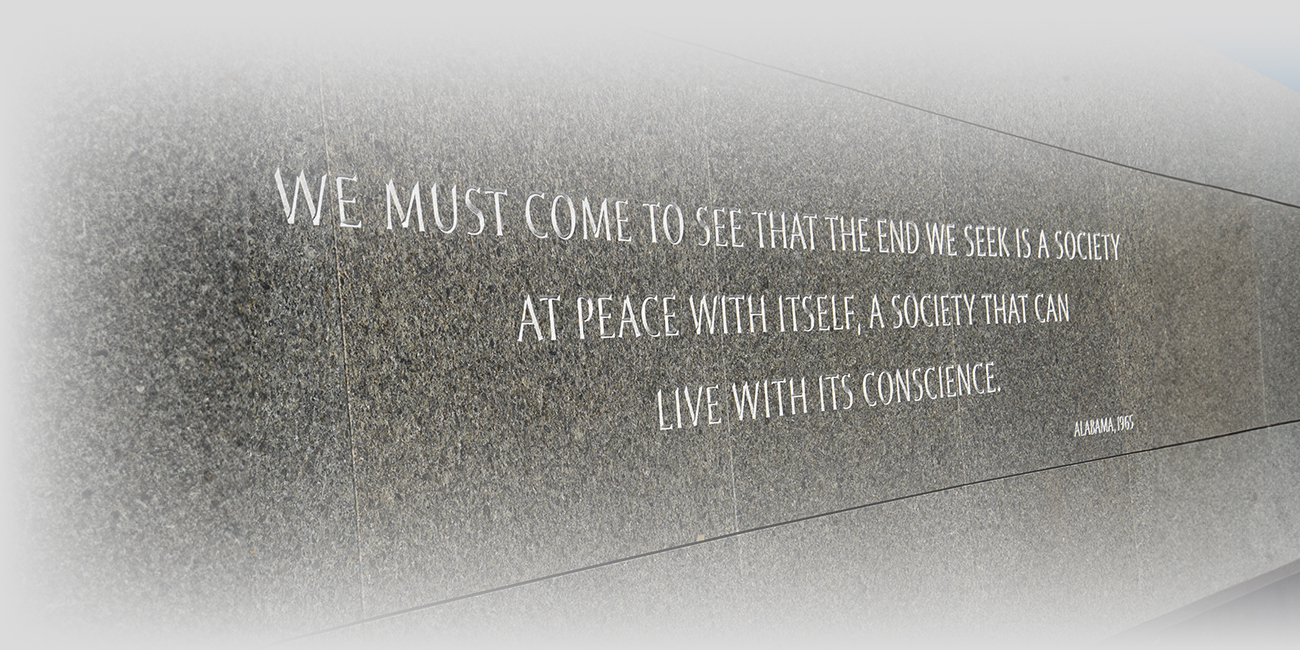


The following frequently asked questions address common issues arising in civil rights litigation in New York, including police misconduct, employment discrimination, false arrest, and wrongful death claims. These responses provide general information regarding legal rights, remedies, and procedures.
Individuals searching for a civil rights lawyer in New York often have questions about whether their rights were violated and what steps may be taken to pursue a claim.
A civil rights case may exist when a government official, law enforcement officer, or employer violates legally protected rights and causes harm. Common examples include unlawful arrests, excessive force, workplace discrimination, or retaliation.
Whether a claim exists depends on the specific facts, available evidence, and applicable law. A case evaluation can help determine whether your situation may give rise to a legal claim.
In certain circumstances, individuals may bring civil rights claims against law enforcement officers and, in some cases, municipalities. These claims are often brought under 42 U.S.C. § 1983 when constitutional rights are violated.
Common claims include false arrest, excessive force, unlawful searches, and malicious prosecution. The viability of a claim depends on the facts and applicable legal standards.
The value of a civil rights case depends on factors such as the nature of the violation, severity of injuries, impact on the individual, and available evidence.
Damages may include compensation for physical injuries, emotional distress, loss of liberty, lost wages, and other harms. Plaintiffs must present evidence establishing the nature and extent of their damages.
In New York, many federal civil rights claims must generally be filed within three years of the incident. However, claims involving government entities or employment discrimination may involve different deadlines and procedures. It is important to seek legal guidance promptly.
Many civil rights and catastrophic injury cases are handled on a contingency fee basis, meaning no attorney’s fee is owed unless a recovery is obtained. Whether a case qualifies depends on the facts and available evidence.
– identify witnesses and obtain contact information
– obtain names and badge numbers of officers, if available
– seek medical attention for injuries
– preserve photographs, videos, or other evidence
– obtain court records, police reports, or related documents
Because these claims are subject to legal deadlines and procedural rules, it is important to seek legal advice promptly.
Dismissal of criminal charges may support civil rights claims, particularly those involving false arrest or malicious prosecution. However, the viability of a claim depends on the facts and whether probable cause existed.
Damages may include compensation for physical injuries, emotional distress, loss of liberty, lost wages, and other harms. In appropriate cases, punitive damages may also be awarded.
Municipalities may be held liable when constitutional violations result from official policies, practices, or failures in supervision or training.
Many civil rights claims in New York must generally be filed within three years, although specific circumstances may affect the deadline.
A false arrest occurs when a person is detained without probable cause—meaning there was no reasonable basis to believe a crime was committed and that the person arrested committed it.
False arrest claims often involve violations of the Fourth Amendment and are commonly brought under 42 U.S.C. § 1983.
– body camera or surveillance footage
– witness statements
– police reports or arrest records
– court records showing dismissal of charges
– photographs or other documentation
Plaintiffs must prove their claims based on the available evidence.
– write down what occurred as soon as possible
– obtain court and dismissal records
– preserve photos, videos, and documents
– identify witnesses
– consult an attorney
– document incidents as they occur
– preserve emails and communications
– maintain performance and disciplinary records
– report misconduct through appropriate channels
– seek legal advice promptly
Employees are protected from retaliation when they report discrimination. If adverse action follows protected activity, a retaliation claim may exist depending on the facts.
Damages may include lost wages, future earnings, emotional distress, and other losses. In some cases, courts may award punitive damages and attorney’s fees.
In many cases, individuals must file a charge with the EEOC or a state or local agency before filing a lawsuit.
Employment claims are subject to strict deadlines, which vary depending on the type of claim and applicable law.
– seek immediate medical attention
– preserve photographs and documentation
– obtain witness information
– retain medical and incident reports
– avoid discussing the matter with insurers before seeking legal advice
Damages may include medical expenses, lost wages, reduced earning capacity, pain and suffering, and other losses.
In New York, wrongful death claims are typically brought by the personal representative of the estate on behalf of eligible family members.
Wrongful death claims in New York generally must be filed within two years of the date of death, although exceptions may apply.
Individuals who believe their civil rights have been violated may request a confidential case evaluation. Civil rights cases often require careful review of the facts, evidence, and applicable law.